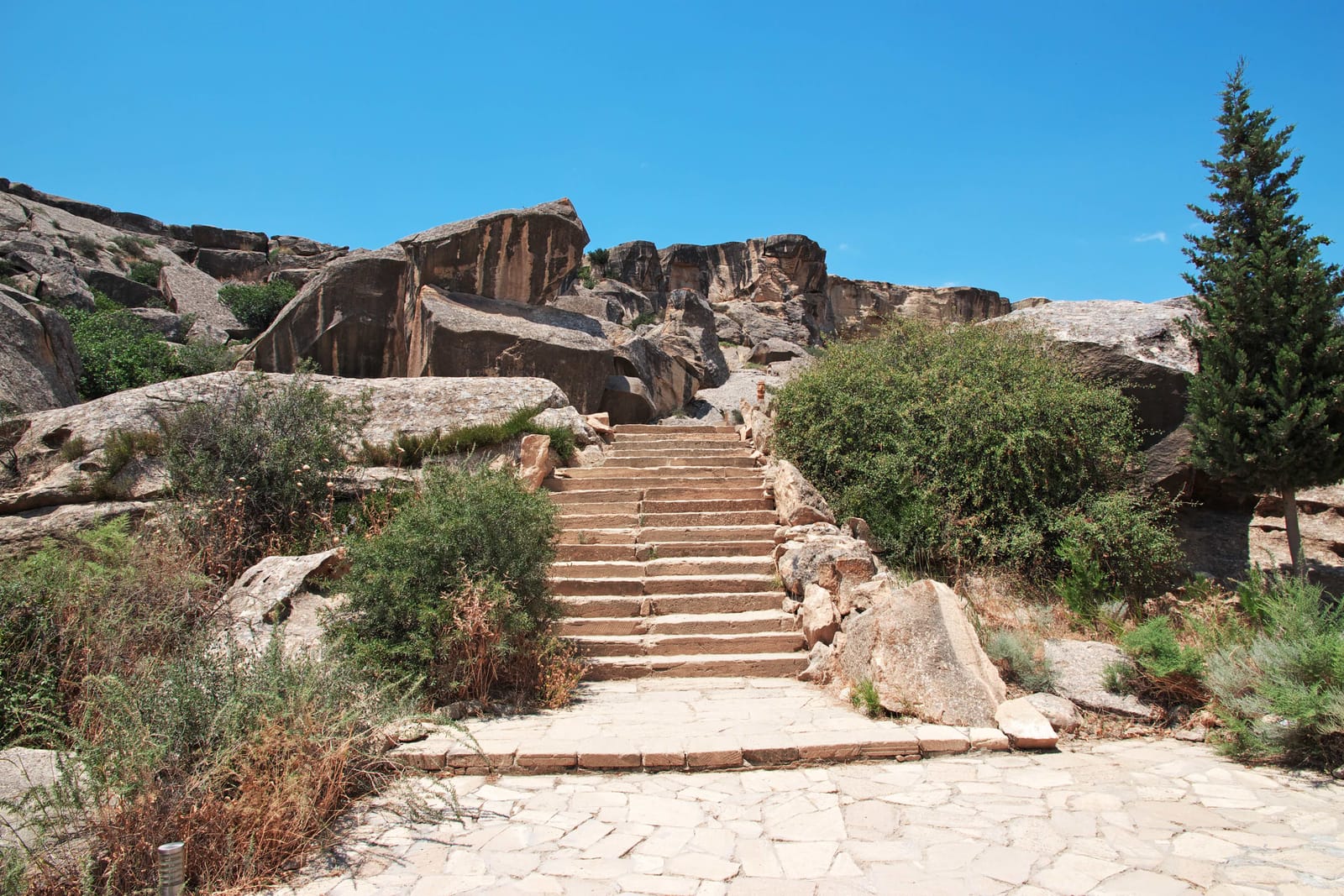
This is my favourite day trip for anyone who wants to see an Azerbaijan far from the usual tourist trail — mountains, craftsmanship, and a genuinely unexpected village with a Russian name right in the heart of the Caucasus. We'll pass through the ancient town of Shamakhi, climb one of the country's most beautiful mountain roads to the "town of craftsmen" Lahij, and end the day in Ivanovka, a village whose history surprises even locals.
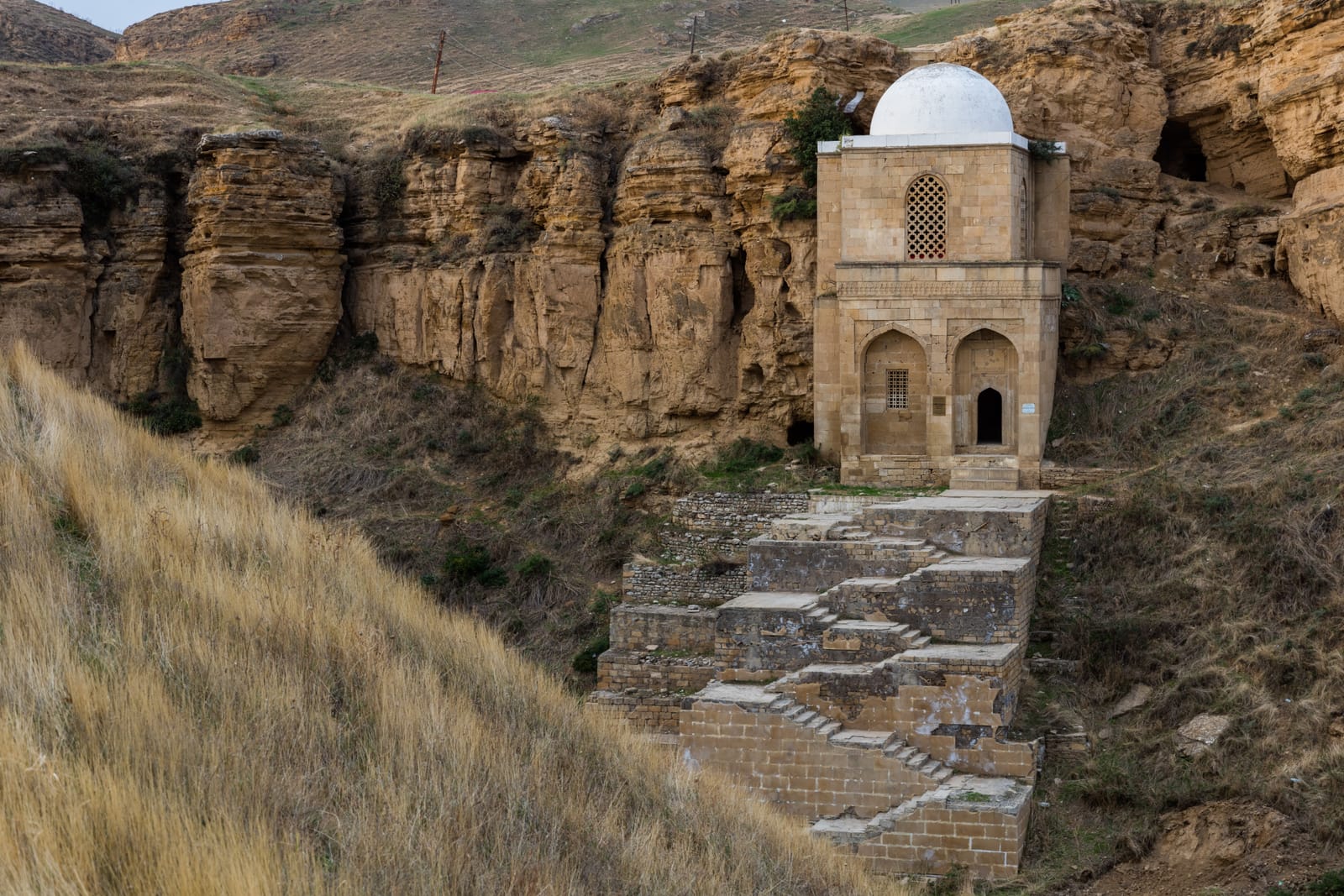
On the way, in the village of Maraza, we'll stop at the 15th-century Diri Baba mausoleum — a two-storey structure carved directly into the rock, facing an old cemetery. For centuries locals believed the saint buried here remained uncorrupted, and since the 17th century pilgrims have come from across the region.
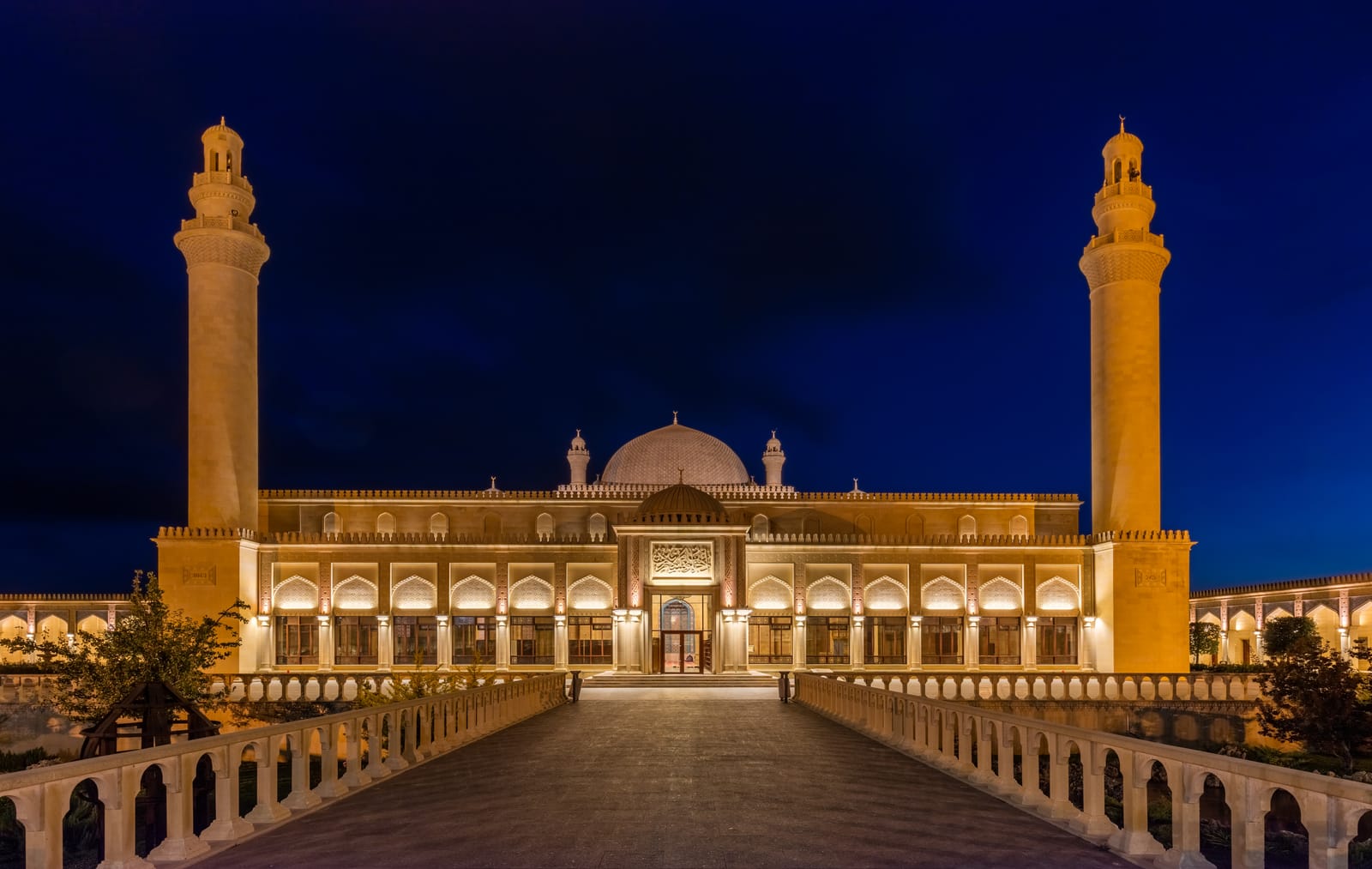
Next comes Shamakhi and its Juma Mosque, one of the oldest in the Caucasus: an inscription on its facade dates construction to 743–744. The mosque has survived centuries and earthquakes and is still in use today — I'll tell you how.
Nearby stand the family mausoleums of the Mustafa khans, built starting in the 18th century. According to legend, one of them holds the famous "Queen of Shamakhi" known from Pushkin's fairy tale — though historians still debate how much truth is in it.
Then comes what might be the most beautiful part of the day — the mountain road to Lahij. It's only 25 kilometres, but you can easily spend an hour or two on it: the road winds between almost gothic sheer cliffs, and at every turn you'll want to stop and take a photo. That road alone, even without Lahij itself, is worth the trip.
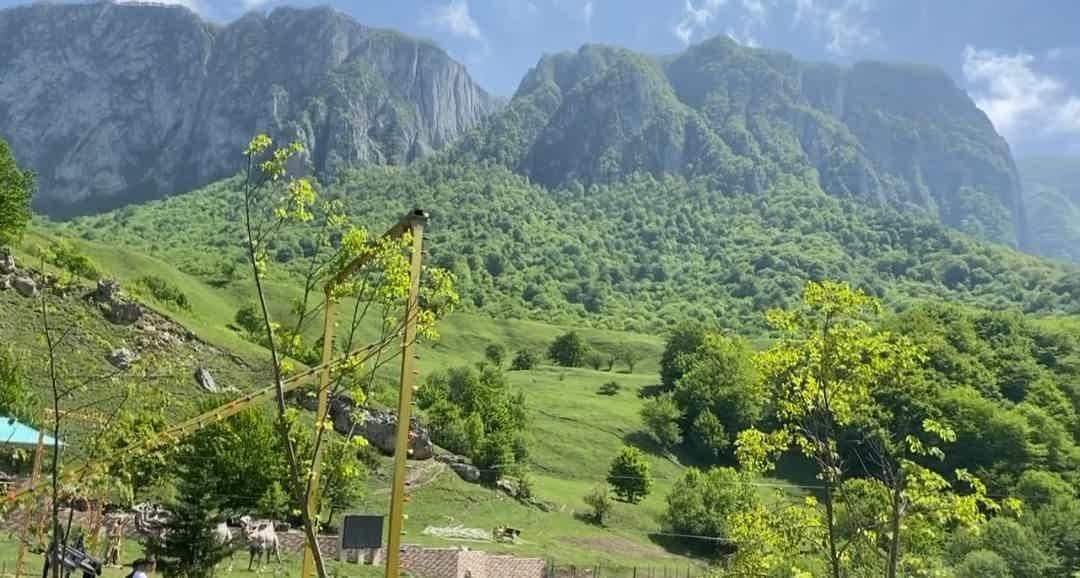
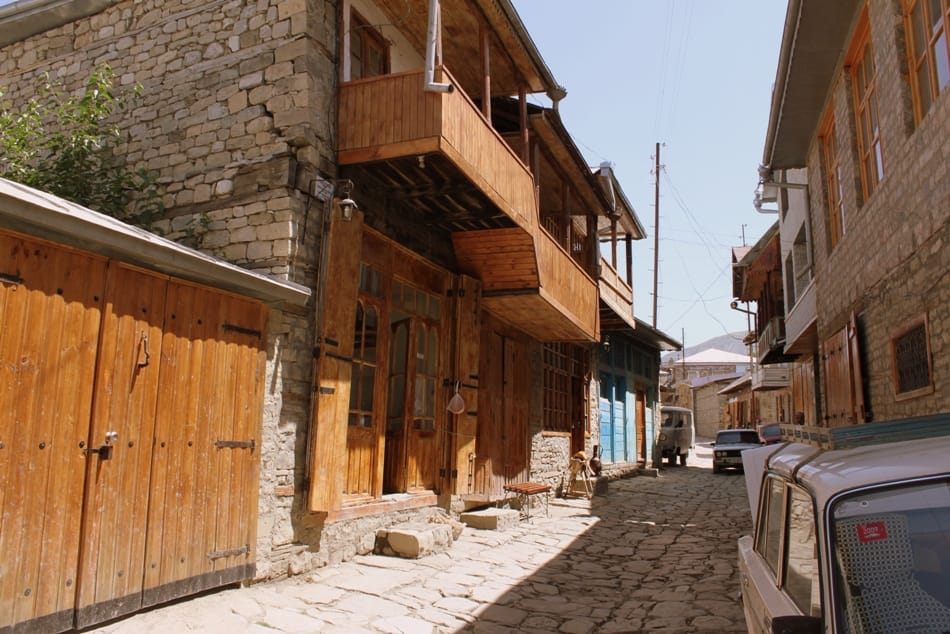
Lahij is a "town of craftsmen" in the Ismayilli district, where the art of copper engraving has survived almost unchanged since the 8th century. We'll walk its cobbled streets, stop by workshops where craftsmen still work the way their great-grandfathers did, and if you like, you can buy a genuine Lahij piece straight from the maker.
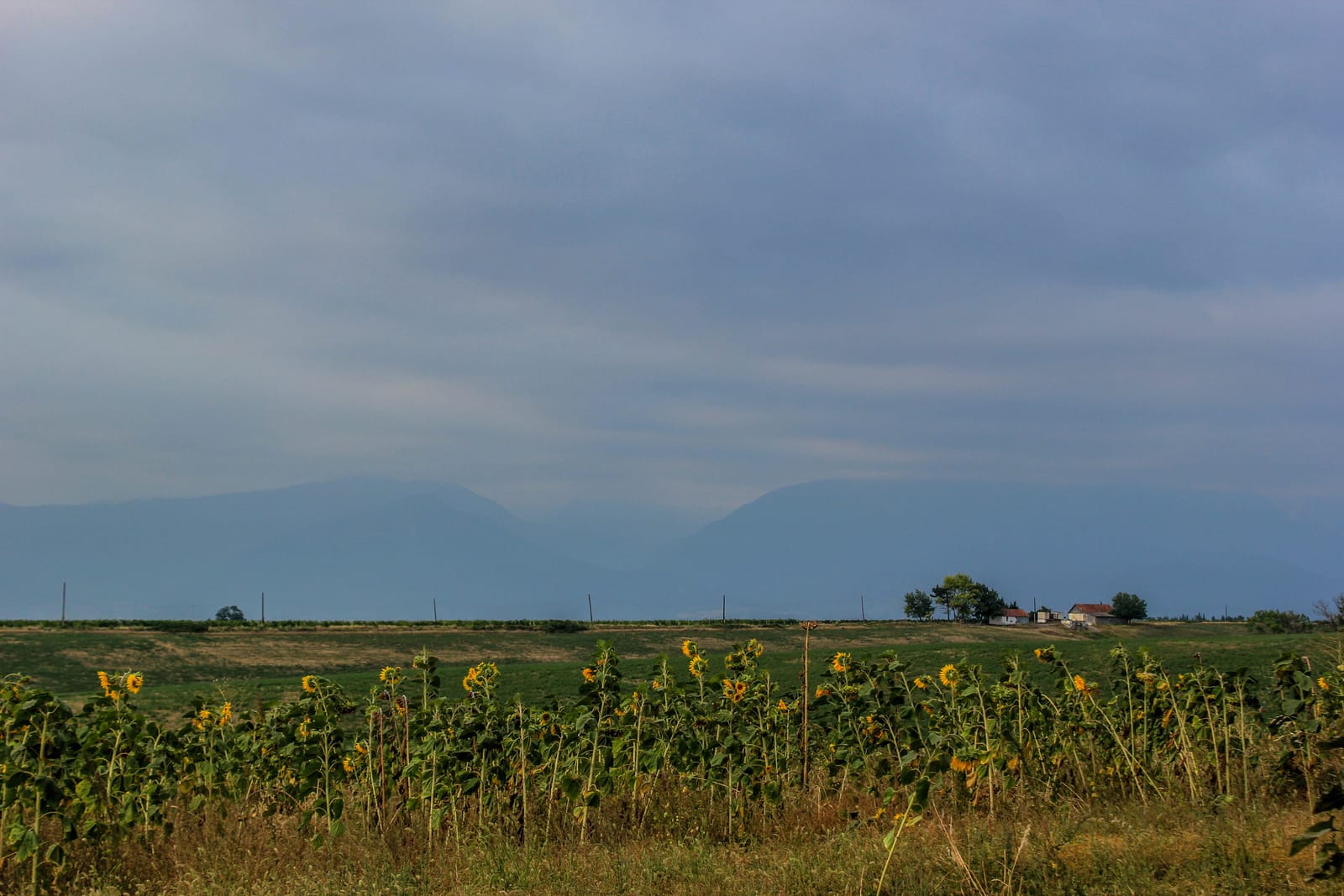
We finish the day in Ivanovka, a village with a Russian name in the middle of the Azerbaijani mountains. It was founded by Molokans resettled here in the 19th century, and remarkably it's still home to one of the last working kolkhozes in the world. I'll tell you what these people went through, and how they managed not just to survive but to build a culture found nowhere else.
The route takes about 10 hours, travelling in a comfortable car with stops for photos and rest. It's a good fit for families with children. The price includes the guide and transport; meals and museum entry tickets are paid separately. Message me on WhatsApp to arrange a date.
Have questions about this tour?
Message me on WhatsApp — I'll tell you more and we'll set a date.
Ask on WhatsApp